
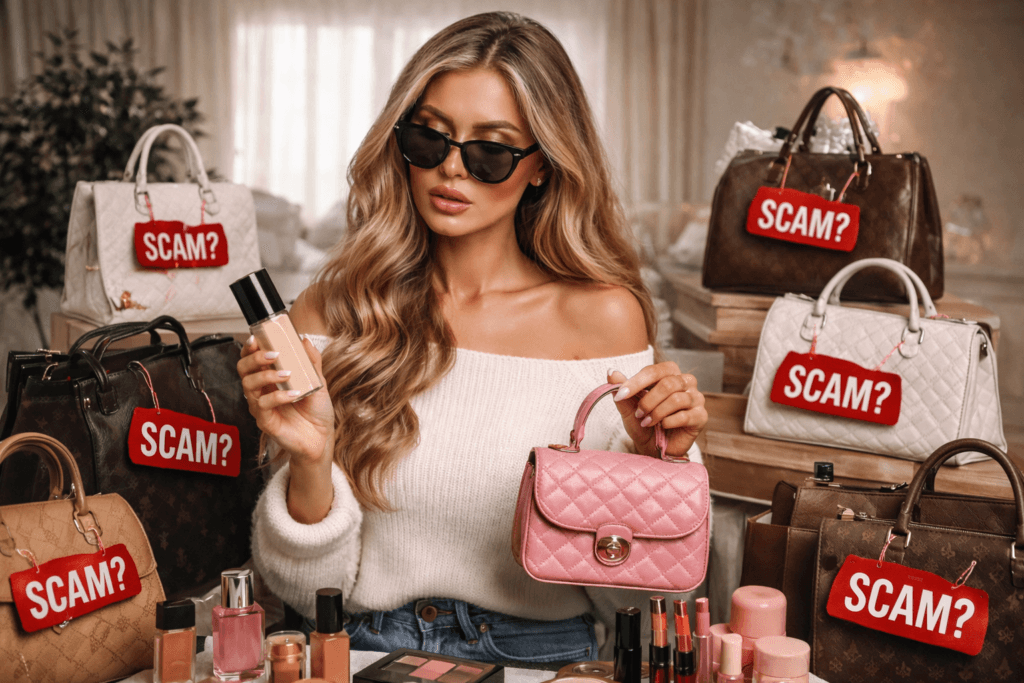
Fashion Influencer Secretly Buys Her Own Products – These Fashion Product Reviews Will Shock You
A major fashion influencer just exposed the dirty secret behind glossy product endorsements – she’s been buying her own promoted items to test their real quality, and the results are jaw-dropping. This investigation is for fashion lovers, bargain hunters, and anyone tired of wasting money on overhyped influencer products that promise the world but deliver disappointment. We’ll dive into the shocking revelations from her anonymous purchases that reveal which trending fashion items are complete ripoffs versus hidden gems. You’ll also discover the red flags to watch for before hitting “buy now” on that must-have piece flooding your feed, plus better alternatives that actually deliver on style and quality without the influencer markup. Get ready to shop smarter and avoid the most common fashion influencer traps that empty your wallet. The Hidden Truth Behind Fashion Influencer Product Endorsements Why influencers secretly purchase their own promoted items Fashion influencers buying their own promoted products reveals a troubling reality about the industry’s authenticity crisis. Many influencers receive products for free through brand partnerships, but some choose to purchase items with their own money to maintain credibility with their audience. This practice stems from a growing awareness that followers can spot inauthentic endorsements from miles away. The psychology behind this behavior runs deeper than simple marketing strategy. Influencers who genuinely use and love the products they promote build stronger, more trusting relationships with their followers. When an influencer secretly purchases items they’ve been sent for free, they’re essentially voting with their wallet on products they truly believe in. However, this creates a confusing landscape for consumers. Some influencers buy products to test them thoroughly before promoting them, while others purchase items to create authentic-looking content without disclosing brand relationships. The latter practice walks a dangerous ethical line that can mislead audiences about genuine product experiences. The difference between genuine reviews and paid partnerships Spotting authentic reviews versus paid content requires understanding subtle but crucial differences in presentation and language. Genuine reviews typically include specific details about fit, fabric quality, durability, and real-world usage scenarios that only come from extended personal experience. Authentic Review Indicators: Paid Partnership Red Flags: The disclosure game adds another layer of complexity. While FTC guidelines require clear partnership disclosures, many influencers bury these notices in lengthy hashtag lists or use ambiguous language like “gifted” or “collaboration” without explicitly stating payment arrangements. How followers are being misled about product authenticity The manipulation tactics extend far beyond simple undisclosed partnerships. Many influencers engage in practices that fundamentally deceive their audiences about product quality and value. Photo editing and filtering can make cheap fabrics look luxurious, while strategic lighting hides construction flaws and poor fit issues. Some influencers receive heavily customized versions of products that differ significantly from retail versions. These samples might feature better materials, improved construction, or perfect sizing that doesn’t reflect the actual consumer experience. When followers purchase these items expecting the quality shown in influencer content, they often face disappointment and buyer’s remorse. The timing of posts also creates misleading impressions. Influencers might photograph an entire month’s worth of content in one day, wearing multiple outfits and creating the illusion of regular use when they’ve actually only worn items once for photos. This practice prevents them from discovering how products perform with repeated wear and washing. Common Deceptive Practices: Shocking Revelations From Anonymous Fashion Influencer Purchases Designer handbags that fall apart within weeks The most shocking revelation comes from premium handbag purchases promoted by top-tier fashion influencers. One anonymous influencer revealed purchasing a $800 designer bag that literally had its handle detach after just three weeks of regular use. The stitching quality was so poor that the leather began separating at stress points within days. The reality hits hard when you discover that these “designer” pieces often use synthetic materials disguised as genuine leather. The hardware tarnishes quickly, zippers jam after minimal use, and the interior lining tears from basic everyday items. What’s particularly disturbing is how these same influencers continue promoting these products while privately dealing with defective returns. Skincare products causing unexpected breakouts and reactions Behind the glowing testimonials lies a different story entirely. Multiple influencers admitted to experiencing severe skin reactions from products they actively promoted to their followers. One influencer developed persistent cystic acne after using a “miracle” serum for just one week, yet continued posting positive reviews for another month. The problem often stems from undisclosed ingredient lists and products manufactured in unregulated facilities. Many of these trendy skincare items contain harsh chemicals that can trigger allergic reactions, chemical burns, and long-term skin damage. Several influencers reported needing dermatologist treatments costing thousands of dollars to repair damage caused by products they endorsed. Clothing items with poor quality materials and construction Fast fashion collaborations with influencers have reached new lows in quality standards. Anonymous purchases reveal clothing that shrinks dramatically after one wash, seams that split during normal wear, and fabric so thin it’s practically see-through. One influencer bought her own “premium” athleisure line and found the leggings developed holes after a single gym session. The construction shortcuts are everywhere – loose threads, uneven hems, buttons that fall off immediately, and prints that fade or crack after washing. What makes this particularly troubling is the premium pricing attached to these substandard items, often costing 300-500% more than similar quality pieces from regular retailers. Overpriced accessories with minimal actual value The markup on influencer-promoted accessories reaches absurd levels when you examine the actual production costs. Simple hair clips selling for $45 can be found identical on wholesale platforms for under $2. Phone cases marketed as “premium protection” for $80 offer the same functionality as $10 alternatives. Jewelry pieces promoted as “investment accessories” often contain base metals that cause skin discoloration and allergic reactions. The “handcrafted” description frequently means mass-produced items with minimal quality control. Many influencers discovered their own accessories breaking within days, revealing cheap construction methods and materials that contradict their public endorsements entirely. The Real Cost of Influencer-Promoted Fashion Products Markup Percentages That