
A major fashion influencer just exposed the dirty secret behind glossy product endorsements – she’s been buying her own promoted items to test their real quality, and the results are jaw-dropping.
This investigation is for fashion lovers, bargain hunters, and anyone tired of wasting money on overhyped influencer products that promise the world but deliver disappointment.
We’ll dive into the shocking revelations from her anonymous purchases that reveal which trending fashion items are complete ripoffs versus hidden gems. You’ll also discover the red flags to watch for before hitting “buy now” on that must-have piece flooding your feed, plus better alternatives that actually deliver on style and quality without the influencer markup.
Get ready to shop smarter and avoid the most common fashion influencer traps that empty your wallet.
The Hidden Truth Behind Fashion Influencer Product Endorsements
Why influencers secretly purchase their own promoted items
Fashion influencers buying their own promoted products reveals a troubling reality about the industry’s authenticity crisis. Many influencers receive products for free through brand partnerships, but some choose to purchase items with their own money to maintain credibility with their audience. This practice stems from a growing awareness that followers can spot inauthentic endorsements from miles away.
The psychology behind this behavior runs deeper than simple marketing strategy. Influencers who genuinely use and love the products they promote build stronger, more trusting relationships with their followers. When an influencer secretly purchases items they’ve been sent for free, they’re essentially voting with their wallet on products they truly believe in.
However, this creates a confusing landscape for consumers. Some influencers buy products to test them thoroughly before promoting them, while others purchase items to create authentic-looking content without disclosing brand relationships. The latter practice walks a dangerous ethical line that can mislead audiences about genuine product experiences.
The difference between genuine reviews and paid partnerships
Spotting authentic reviews versus paid content requires understanding subtle but crucial differences in presentation and language. Genuine reviews typically include specific details about fit, fabric quality, durability, and real-world usage scenarios that only come from extended personal experience.
Authentic Review Indicators:
- Detailed descriptions of how items feel, fit, and perform
- Honest discussions of drawbacks and limitations
- Natural, unscripted language and genuine reactions
- Multiple styling options shown across different occasions
- Reference to how items hold up over time
Paid Partnership Red Flags:
- Generic praise without specific details
- Perfect lighting and professional staging in every shot
- Repetitive use of brand hashtags and tagged accounts
- Overly enthusiastic language that sounds scripted
- Focus on brand messaging rather than personal experience
The disclosure game adds another layer of complexity. While FTC guidelines require clear partnership disclosures, many influencers bury these notices in lengthy hashtag lists or use ambiguous language like “gifted” or “collaboration” without explicitly stating payment arrangements.
How followers are being misled about product authenticity
The manipulation tactics extend far beyond simple undisclosed partnerships. Many influencers engage in practices that fundamentally deceive their audiences about product quality and value. Photo editing and filtering can make cheap fabrics look luxurious, while strategic lighting hides construction flaws and poor fit issues.
Some influencers receive heavily customized versions of products that differ significantly from retail versions. These samples might feature better materials, improved construction, or perfect sizing that doesn’t reflect the actual consumer experience. When followers purchase these items expecting the quality shown in influencer content, they often face disappointment and buyer’s remorse.
The timing of posts also creates misleading impressions. Influencers might photograph an entire month’s worth of content in one day, wearing multiple outfits and creating the illusion of regular use when they’ve actually only worn items once for photos. This practice prevents them from discovering how products perform with repeated wear and washing.
Common Deceptive Practices:
- Heavy photo editing to enhance product appearance
- Using promotional samples that differ from retail versions
- Creating multiple posts from single-day photo shoots
- Mixing paid content with organic posts without clear boundaries
- Selective highlighting of positive features while ignoring flaws
Shocking Revelations From Anonymous Fashion Influencer Purchases
Designer handbags that fall apart within weeks
The most shocking revelation comes from premium handbag purchases promoted by top-tier fashion influencers. One anonymous influencer revealed purchasing a $800 designer bag that literally had its handle detach after just three weeks of regular use. The stitching quality was so poor that the leather began separating at stress points within days.
The reality hits hard when you discover that these “designer” pieces often use synthetic materials disguised as genuine leather. The hardware tarnishes quickly, zippers jam after minimal use, and the interior lining tears from basic everyday items. What’s particularly disturbing is how these same influencers continue promoting these products while privately dealing with defective returns.
Skincare products causing unexpected breakouts and reactions
Behind the glowing testimonials lies a different story entirely. Multiple influencers admitted to experiencing severe skin reactions from products they actively promoted to their followers. One influencer developed persistent cystic acne after using a “miracle” serum for just one week, yet continued posting positive reviews for another month.
The problem often stems from undisclosed ingredient lists and products manufactured in unregulated facilities. Many of these trendy skincare items contain harsh chemicals that can trigger allergic reactions, chemical burns, and long-term skin damage. Several influencers reported needing dermatologist treatments costing thousands of dollars to repair damage caused by products they endorsed.
Clothing items with poor quality materials and construction
Fast fashion collaborations with influencers have reached new lows in quality standards. Anonymous purchases reveal clothing that shrinks dramatically after one wash, seams that split during normal wear, and fabric so thin it’s practically see-through. One influencer bought her own “premium” athleisure line and found the leggings developed holes after a single gym session.
The construction shortcuts are everywhere – loose threads, uneven hems, buttons that fall off immediately, and prints that fade or crack after washing. What makes this particularly troubling is the premium pricing attached to these substandard items, often costing 300-500% more than similar quality pieces from regular retailers.
Overpriced accessories with minimal actual value
The markup on influencer-promoted accessories reaches absurd levels when you examine the actual production costs. Simple hair clips selling for $45 can be found identical on wholesale platforms for under $2. Phone cases marketed as “premium protection” for $80 offer the same functionality as $10 alternatives.
Jewelry pieces promoted as “investment accessories” often contain base metals that cause skin discoloration and allergic reactions. The “handcrafted” description frequently means mass-produced items with minimal quality control. Many influencers discovered their own accessories breaking within days, revealing cheap construction methods and materials that contradict their public endorsements entirely.
The Real Cost of Influencer-Promoted Fashion Products
Markup Percentages That Will Make Your Wallet Cry
The fashion industry operates on staggering markups, but influencer-promoted products take this to an entirely different level. While traditional retail markups typically range from 50-100%, influencer-backed fashion items often carry markups of 300-500% or even higher.
Take that trendy oversized blazer your favorite influencer is wearing. The production cost might be $15-20, but you’re paying $120-150 for it. That’s a 700% markup that goes toward influencer commissions, marketing campaigns, and brand profit margins. The influencer themselves usually receives 10-30% commission on each sale, which gets built directly into your final price.
Here’s what really happens behind the scenes:
| Product Type | Production Cost | Retail Price | Markup Percentage |
|---|---|---|---|
| Basic T-shirts | $3-5 | $35-55 | 700-1000% |
| Dresses | $12-18 | $80-120 | 500-700% |
| Accessories | $2-8 | $45-85 | 800-1000% |
| Shoes | $15-25 | $90-150 | 400-600% |
The worst part? Many of these products are manufactured in the same facilities as fast fashion brands, using identical materials and processes, yet you’re paying luxury prices because an influencer slapped their name on it.
Hidden Fees and Shipping Costs Not Mentioned in Posts
Influencers rarely mention the true total cost of your purchase in their glowing reviews. That $75 dress becomes significantly more expensive once reality hits your checkout page.
Standard hidden costs include:
- Express shipping fees: $15-25 for faster delivery
- International shipping: Often $20-40 for overseas brands
- Processing fees: 3-5% of your order total
- Size exchange fees: $8-15 per exchange
- Restocking fees: 10-20% of item value
Many influencer-promoted brands also use psychological pricing tricks. They’ll advertise “free shipping on orders over $100” but price individual items at $85-95, forcing you to buy multiple pieces or pay hefty shipping costs. Some brands charge separate shipping for each item in your order, turning a $150 purchase into a $200+ total.
Currency conversion fees add another layer of expense for international brands. Your bank typically charges 2-3% for foreign transactions, and some brands use unfavorable exchange rates that inflate costs by an additional 5-10%.
Return Policy Nightmares for Disappointed Customers
The return experience for influencer-promoted fashion products often resembles navigating a maze designed to keep your money. Unlike established retailers with straightforward return processes, many influencer-backed brands create deliberately complex policies.
Common return policy red flags include:
- Extremely short return windows (7-14 days from delivery)
- “Final sale” items that can’t be returned (often not disclosed clearly)
- Customer pays return shipping costs ($15-30 internationally)
- Store credit only policies (no cash refunds)
- Restocking fees that eat into your refund
The sizing issue is particularly problematic. Since these brands often use vanity sizing or non-standard measurements, the medium you ordered based on the size chart might fit like a small or large. When you try to return it, you discover the return shipping to their overseas warehouse costs $25, plus a $12 restocking fee, making your $60 purchase refund worth only $23.
Customer service for these brands is frequently outsourced and undertrained. Expect long wait times, language barriers, and representatives who seem more focused on denying returns than helping customers. Many brands require you to take photos of defective items from multiple angles, fill out detailed forms, and wait weeks for approval before even receiving return instructions.
The most frustrating part? The influencer who promoted the product will never mention these issues in their follow-up content, leaving customers to discover these problems alone.
Red Flags to Spot Before Buying Influencer-Recommended Fashion Items
Warning signs in product descriptions and reviews
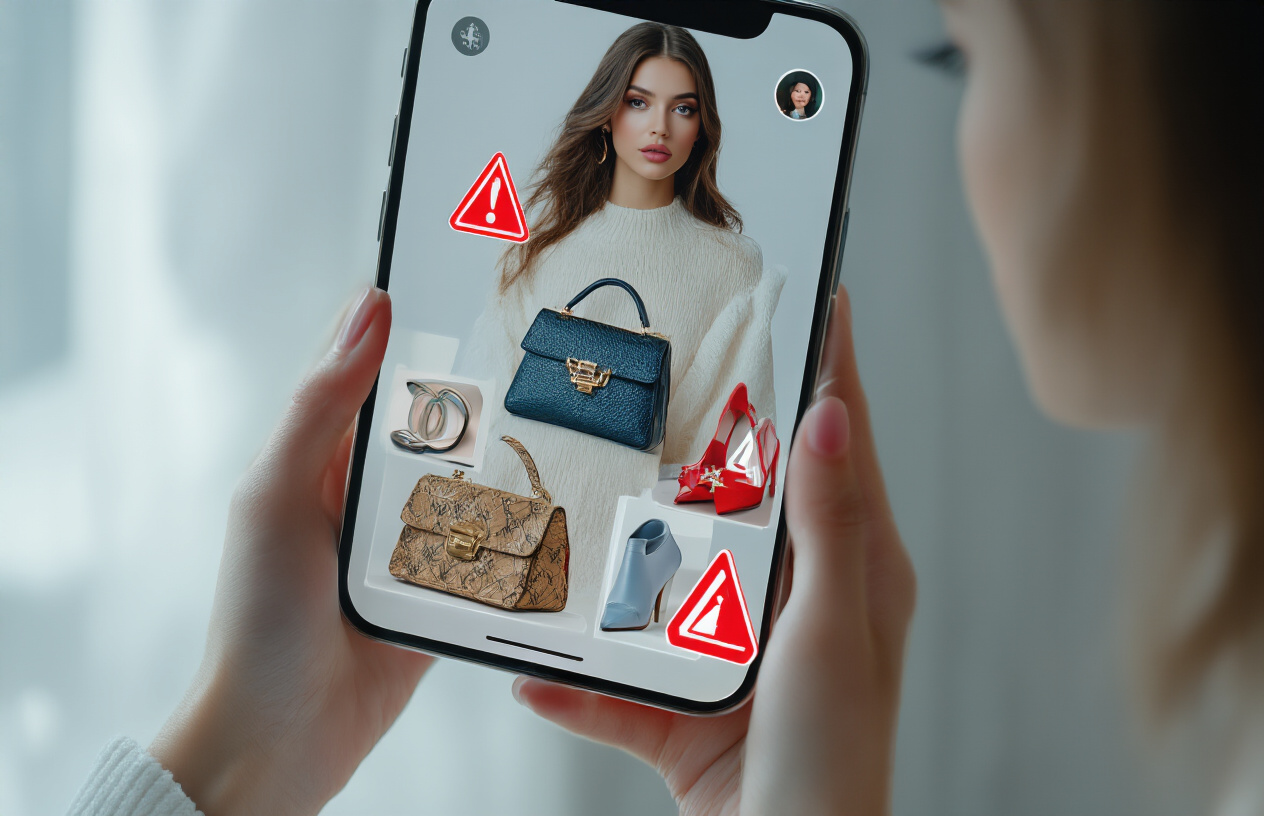
You’ll spot trouble when the product description reads like pure marketing fluff instead of actual information. Watch out for vague promises like “transforms your wardrobe instantly” or “revolutionary fabric technology” without any specifics about materials, sizing, or care instructions. Generic phrases such as “premium quality” and “luxury feel” mean absolutely nothing when you can’t find details about thread count, fabric composition, or manufacturing standards.
Pay attention to review patterns too. If you see clusters of 5-star reviews posted within the same timeframe, all using similar language or focusing on the same selling points, that’s your cue to dig deeper. Authentic reviews mention specific details like “the medium fits like a small” or “great for pear-shaped bodies but not apple shapes.”
How to identify genuine user feedback versus fake testimonials
Real customers share imperfect experiences. They mention both pros and cons, include specific measurements, and often reference their body type or lifestyle. Genuine reviewers write things like “I’m 5’6″ and the length hits right at my ankles” or “perfect for my office job but wrinkles easily.”
Fake testimonials sound scripted and overly enthusiastic. They use the exact same phrases as the product description and rarely mention sizing issues, return policies, or comparison to similar products. Look for verified purchase badges when available, and check the reviewer’s history – real people review various products over time, not just items from one brand.
| Genuine Reviews | Fake Testimonials |
|---|---|
| Mention specific sizing details | Use generic praise |
| Include both positives and negatives | Only positive feedback |
| Reference personal circumstances | Copy product description language |
| Varied posting dates | Clustered posting times |
| Mixed star ratings | Mostly 5-star ratings |
Questions to ask yourself before clicking “add to cart”
Before you purchase, ask yourself these critical questions: Does this influencer regularly wear this brand in non-sponsored content? Can you find the same product from multiple retailers, or is it exclusively sold through affiliate links? Have you seen this item styled by anyone other than the promoting influencer?
Check if the influencer provides honest feedback about fit, quality, and styling challenges. Do they mention if they received the item for free? Are they showing you how it looks after multiple washes or wears? Most importantly, would you want this piece if you’d never seen it on this particular influencer?
Consider your actual lifestyle needs. That flowy maxi dress might look stunning on a beach vacation influencer, but will it work for your daily commute and office environment?
Alternative research methods for product validation
Start by reverse-searching product images to see if they appear on multiple websites with different brand names – a dead giveaway for dropshipped items. Use Pinterest and Instagram hashtags to find real customers wearing the pieces in everyday settings, not just professional photo shoots.
Join Facebook groups or Reddit communities focused on fashion reviews where members share honest opinions about trending pieces. These spaces often reveal the reality behind Instagram-perfect photos.
Check the brand’s return policy and customer service responsiveness. Legitimate companies offer clear return windows and respond to customer inquiries promptly. You can also look up the company’s business registration and read Better Business Bureau complaints to gauge their reputation.
Search for the brand name plus words like “review,” “scam,” or “quality” to uncover any red flags from previous customers. This research takes extra time but saves you from expensive mistakes.
Better Alternatives to Influencer-Promoted Fashion Products
Direct-to-consumer brands offering superior quality
Skip the influencer markup and go straight to brands that sell directly to customers. Companies like Everlane, Reformation, and COS cut out the middleman, passing those savings on to you while maintaining transparent manufacturing processes. These brands invest in quality fabrics and ethical production rather than expensive celebrity partnerships.
Warby Parker revolutionized eyewear by selling premium frames at a fraction of traditional retail prices. Their success model has inspired fashion brands across categories. Glossier built a beauty empire by focusing on product development instead of influencer fees, creating cult favorites that actually work.
When brands sell directly, they control every aspect of the customer experience. You get detailed product information, honest sizing guides, and customer service that actually cares about your satisfaction. No filtered photos or exaggerated claims – just products that need to perform to build repeat customers.
Budget-friendly dupes that outperform expensive originals
Some of the best fashion finds come from brands you’ve never heard of on social media. Uniqlo’s cashmere sweaters rival luxury alternatives at one-tenth the price. Their Heattech line outperforms designer thermal wear that costs hundreds more.
Target’s Wild Fable jeans offer the same trendy cuts as premium denim brands for under $25. Many customers report better fit and durability compared to influencer-hyped alternatives. The secret? Target invests in actual product testing rather than marketing budgets.
| Product Category | Expensive Option | Budget Alternative | Price Difference |
|---|---|---|---|
| White Sneakers | Golden Goose ($500) | Adidas Stan Smith ($80) | $420 savings |
| Leather Jacket | Saint Laurent ($3,000) | Zara TRF ($89) | $2,911 savings |
| Basic Tees | James Perse ($85) | Gap ($15) | $70 savings |
Time-tested fashion staples worth your investment
Real fashion insiders know that the most stylish people invest in classics, not trends. A well-made trench coat from Burberry or Aquascutum will outlast dozens of fast fashion pieces promoted by influencers. These pieces never go out of style and their cost-per-wear becomes minimal over years of use.
Quality denim from brands like Levi’s, Lee, or Wrangler has dressed generations. These companies perfected their craft decades before social media existed. A $50 pair of 501s will likely outlast three pairs of trendy jeans that cost twice as much.
Invest in leather goods from heritage brands like Coach, Frye, or Red Wing. These companies built their reputations on craftsmanship, not hashtags. A leather handbag or boots from these brands can last decades with proper care, making them far more economical than constantly replacing cheap alternatives.
The best fashion investments share common traits: timeless design, quality materials, and brands with proven track records. These pieces form the foundation of a versatile wardrobe that works regardless of what’s trending on Instagram this week.
The fashion influencer industry isn’t always what it seems on your feed. When influencers secretly buy their own products to create fake reviews, it shows just how far some will go to make a sale. The shocking price markups on influencer-promoted items and the hidden tactics used to push products should make every shopper think twice before hitting “buy now.”
Your wallet doesn’t have to fall victim to these marketing schemes. Look for red flags like overly perfect reviews, unrealistic before-and-after photos, and pushy language that creates fake urgency. Instead of blindly following influencer recommendations, do your own research, read reviews from multiple sources, and consider shopping directly from established brands or retailers. Your money deserves to go toward quality pieces that actually deliver on their promises, not just pretty packaging and flashy social media posts.